Helping active kids stay involved in the sport they love.
The Severs Centre provides individual assessments for children with recurring heel pain, commonly known as Sever’s disease. Find a nearby clinic and book an appointment with a clinician who understands the demands of growing athletes.
No referral is required to book an appointment at The Severs Centre. Private health rebates available for appointments.
Does this sound familiar?
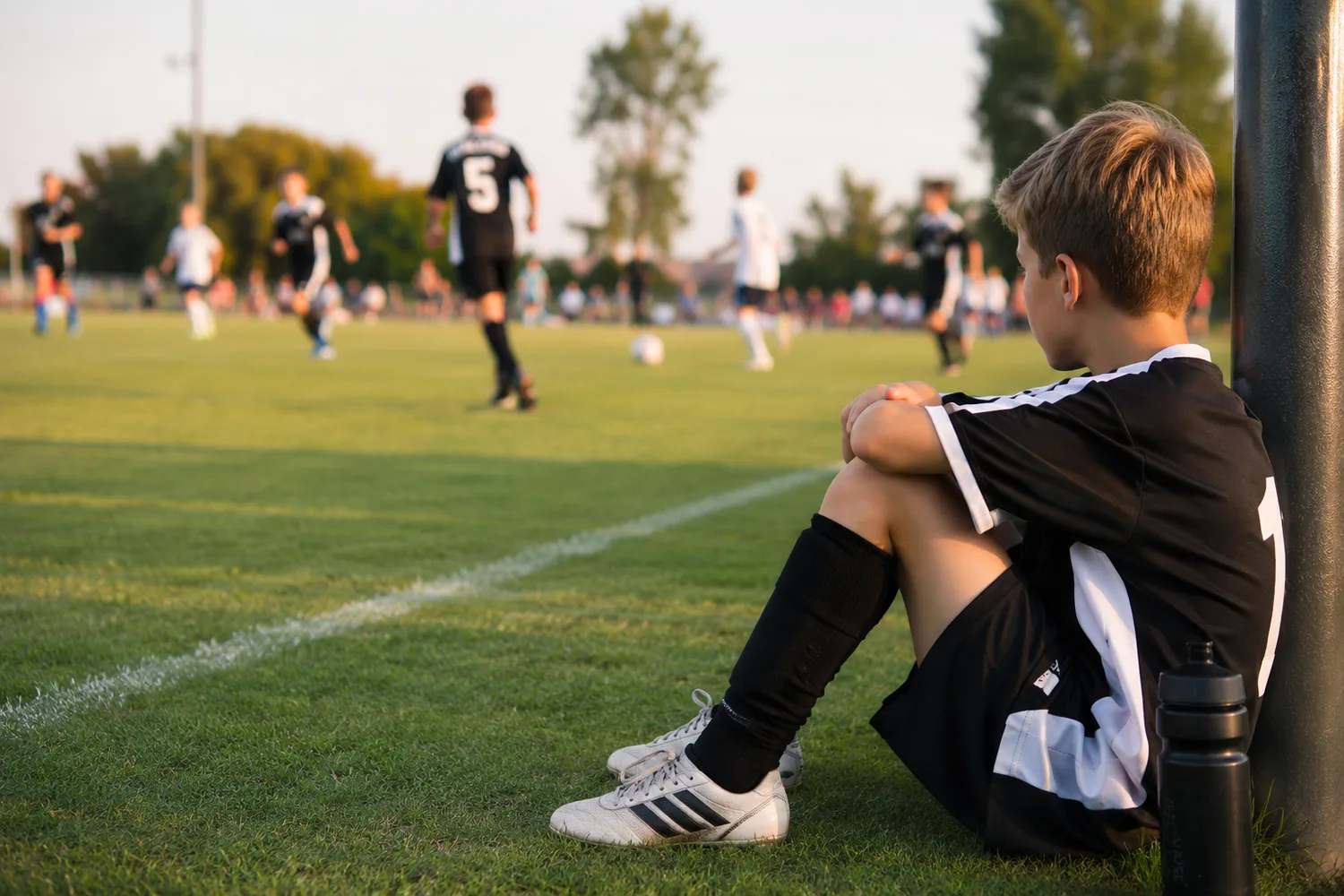
Your child loves playing sport...
...but every time they get back to it, the heel pain returns.
So they take a break.
The pain settles.
Everyone thinks it’s getting better.
Then they return to sport...
...and before long, they’re limping off the field again.
If you’ve found yourself caught in this frustrating cycle, you’re certainly not alone.
It’s one of the most common stories we hear from parents before they visit The Severs Centre.
Families often tell us they have tried rest, stretching, exercises, heel cups or changes to footwear, but remain unsure why the pain returns when activity increases again.
What is Sever’s disease?
Sever’s disease (calcaneal apophysitis) is one of the most common causes of heel pain in active children and adolescents.
It commonly develops during growth periods and is often aggravated by running, jumping, and sport participation.
Sever’s disease is a common growth-related condition and does not usually cause permanent damage. However, ongoing heel pain can significantly impact a child’s sport participation, confidence, and activity levels if not appropriately managed.
Common signs may include:
- Heel pain during or after sport
- Limping after activity
- Pain when getting out of bed in the morning
- Tenderness around the heel
- Difficulty running or jumping comfortably
- Symptoms that flare up with increased activity
Why does the pain keep coming back?
When your child is playing sport... their heel absorbs repeated impact and pressure.
If the growth plate is irritated, that pressure can make it painful.
When they rest...
the impact stops.
The heel settles.
When sport starts again...
the impact returns.
So does the pain.
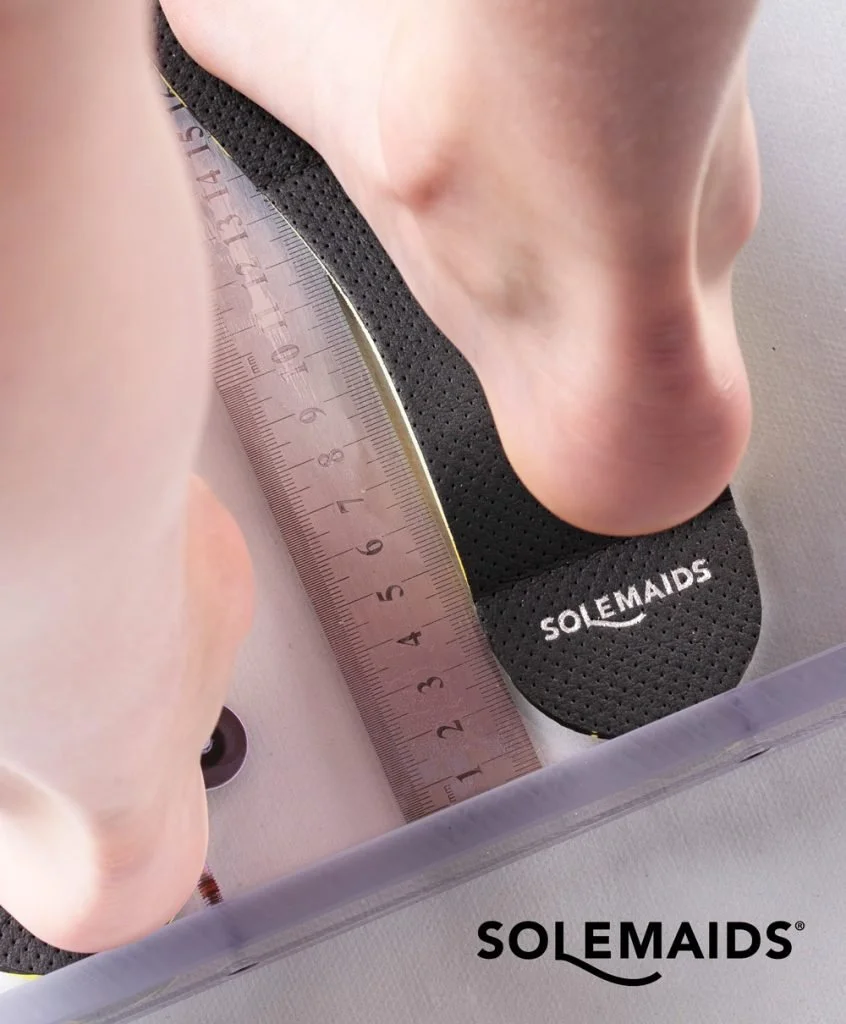
Why we use Solemaids
More than a traditional shoe insert.
Solemaids were developed in Denmark with a different way of thinking.
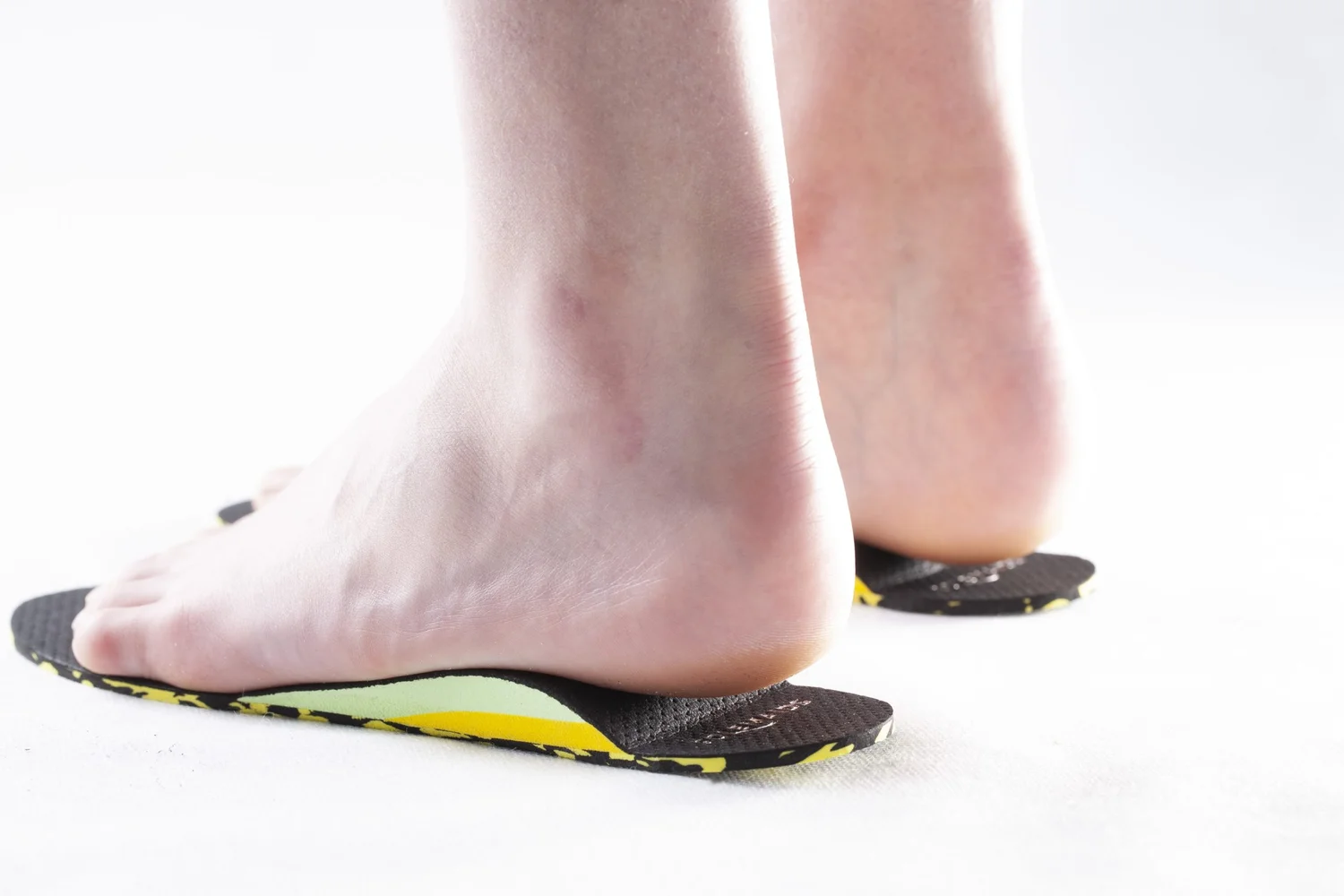
Rather than simply cushioning the heel, Solemaids are designed with the aim of reducing the repeated impact and pressure beneath the painful area by creating a small space beneath the heel.
We call this the floating heel.
It’s this unique design philosophy that makes Solemaids different from traditional methods of treatment.
Why The Severs Centre exists
For many active children, heel pain can affect the sport and activities they enjoy.
The Severs Centre provides a dedicated pathway for children with recurring heel pain. Rather than offering generic advice, our clinicians consider your child’s symptoms, growth, sporting load, footwear and physical demands as part of an individual assessment.
The Severs Centre is a growing network of clinicians trained in our assessment approach for recurring heel pain in children.
Our aim is to make it easier for families across Australia to access a clinician who understands the demands of growing, active children and can provide an individual assessment for recurring heel pain.
Ethan Timmins
Chief Operating Officer
Physiotherapist | BExSci, MPhysio, APAM
Jack Andringa-Bate
National Clinical Lead
Physiotherapist | PhD Candidate, BPhysio (Hons), APAM
What happens during your appointment?
An individual assessment
Our role is to provide an individual assessment, explain what may be contributing to your child’s symptoms, and determine whether Solemaids® may be appropriate for their presentation.
Sever’s-related heel pain
Sever’s disease is a common cause of heel pain during growth. However, heel pain can have different causes, which is why an individual assessment is important before making recommendations.
Our clinicians assess whether a child’s symptoms may be consistent with Sever’s disease and discuss the most appropriate next step based on their individual presentation.
Individually fitted
Every pair is individually fitted during an assessment where appropriate.
The insert is fitted and modified based on the child’s footwear, symptoms, activity demands, and foot shape.
Solemaids are not recommended for every child. The decision is based on an assessment of your child’s symptoms and individual presentation.
The floating heel
Solemaids are Danish-designed custom insoles that may be considered for some children with recurring heel pain.
They are designed to create clearance beneath part of the heel.
Their natural foot strike
The Solemaids are designed with a subtle rocking element to them, allowing your child to maintain their natural foot strike as they walk & run - there are no changes to their running or walking gait.
More than an insole fitting
An appointment at The Severs Centre is not simply about fitting an insole.
Your clinician will take the time to understand what has been happening, assess your child’s presentation and explain their recommendation clearly. This includes discussing whether Solemaids may be appropriate and answering any questions you may have.
If Solemaids are not considered appropriate for your child, your clinician will explain why and discuss the next step.
Pricing
At The Severs Centre, we have a simple, clear fee structure for our treatment.
- Initial assessment & fitting appointment
- $230
- Solemaids where clinically appropriate
- $495
Private health rebates available for appointments.
Find your nearest Severs Centre
Every clinic below can assess children with Sever’s disease and provide Solemaids where appropriate.
Victoria
- Book
- Book
Aspendale Gardens
11-33 Narelle Drive, Aspendale Gardens VIC 3195 - Book
Airport West
19 Halsey Road, Airport West VIC 3042 - Book
- Book
South Australia
New South Wales
- Book
Bondi Junction
Entry is located at the rear, from Adams Lane.
120 Bronte Road, Bondi Junction NSW 2022 - Book
- Call to book
- Book
- Book
Gregory Hills
Located inside Pegasus Peak Physiotherapy, at World Gym Gregory Hills
12/2-64 Steer Road, Gregory Hills NSW 2557 - Call to book
East Corrimal
Located inside CME Physiotherapy, East Corrimal Medical Centre
Shop 1, 17-19 Murray Road, East Corrimal NSW 2518
Queensland
Western Australia
No clinic near you?
Frequently asked questions
FAQsWill my child need to stop sport?
Not always.
Management recommendations are based on the individual child’s symptoms, activity levels, and sport demands. Some children may be able to continue participating in modified or monitored activity during management.
How long does Sever’s disease last?
The duration of symptoms varies between children depending on factors such as growth patterns, sport participation, activity levels, and symptom severity.
Some children improve relatively quickly, while others may require longer-term management and monitoring.
What should my child bring to their appointment?
You must bring:
- The shoes your child commonly wears for sport
- School shoes if relevant
- Any existing inserts or heel cups
- Comfortable clothing suitable for assessment
Can I use my private health insurance?
Yes, you can use your private health insurance for the appointment.
Do I need a referral?
No referral is required to book an appointment at The Severs Centre.
If my child’s foot grows, will I need to buy more insoles?
Solemaids only need to be worn for a period of 6 months before they can be phased out of your child’s shoe. For the majority of children, they are able to go 6 months in their sporting shoes/boots without needing to get bigger ones! If their foot does grow substantially during that time & they go up a shoe size, they will require a larger pair of Solemaids.
Find a Severs Centre near you
If your child has recurring heel pain, find your nearest Severs Centre and book an individual assessment.